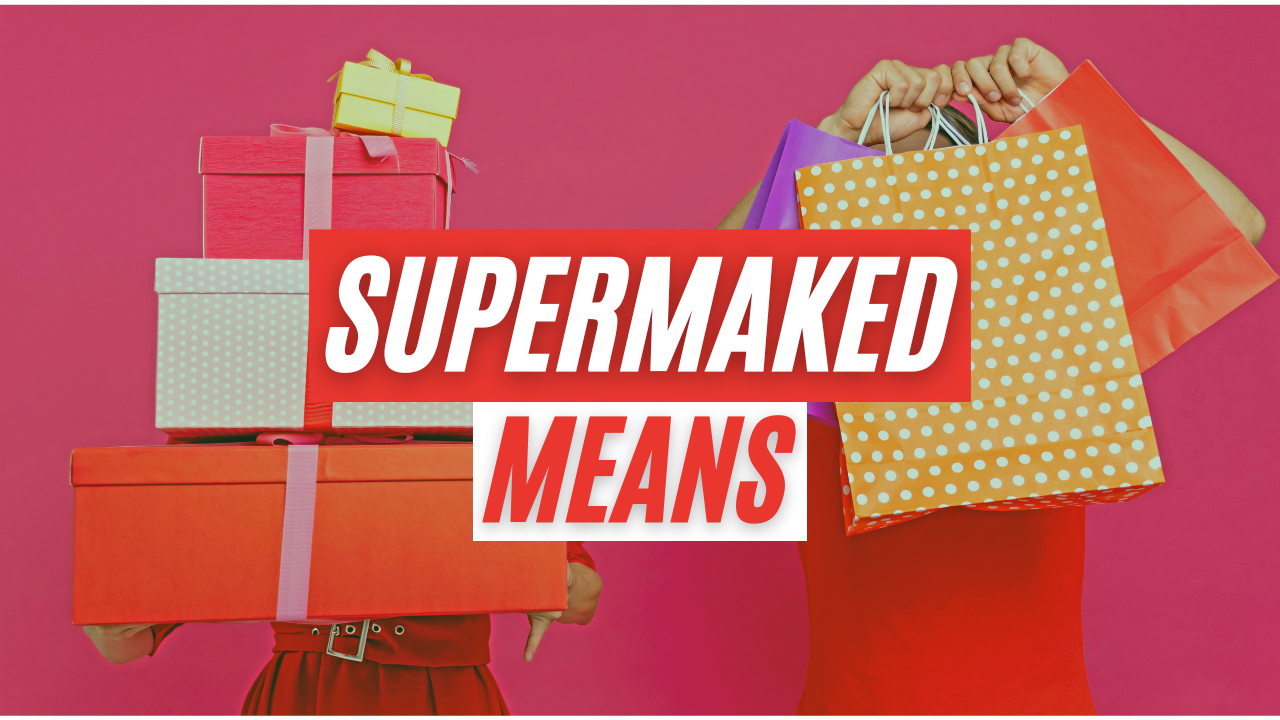
Shopping for groceries is changing fast. Between phone apps, digital coupons, and self-checkout lanes, buying food looks completely different than it did a few years ago. Because of this rapid digital shift, unexpected search terms frequently trend online, with one of the most notable examples being “Supermaked.”
If you are looking for the true Supermaked meaning, the explanation is simple: it is one of the most common mobile touchscreen typographical errors for the word “supermarket.” Because the “d” and “t” keys sit right next to each other on standard smartphone QWERTY keyboards, millions of shoppers accidentally type this phrase when searching for local grocery stores, digital weekly ads, or app-based discounts.
When everyday shoppers search online to discover the Supermaked meaning, they are typically trying to learn how to navigate modern retail environments efficiently, minimize their weekly food expenditures, and leverage proprietary store applications to capture immediate savings. From a corporate enterprise perspective, this high-frequency mobile typo represents a critical point of digital customer acquisition. In modern search engine marketing (SEM), forward-thinking retail brands analyze these search mechanics to deploy proactive algorithmic catch-nets, ensuring their local search engine optimization (SEO) and paid search campaigns correctly route high-intent mobile traffic to the correct digital retail destination.
Defining the Core Concept
When you type Supermaked into a phone, search engines know exactly what you mean. Data shows that consumers entering this term are actively seeking store maps, digital grocery apps, and practical frameworks to stretch their household budgets. Instead of treating it as an invalid query, modern search algorithms automatically cross-reference user intent to provide helpful shopping tips and localized grocery savings.
How Everyday Searches Map to Store Savings
| What You Type | How Common Is It? | What You Are Actually Trying to Find | Merchant Optimization Opportunity |
| Supermaked | High (very common typo on small mobile screens) | Quick links to your local store’s online inventory | Dynamic local landing pages capturing high-intent search traffic. |
| Supermaked Meaning | Moderate (often happens during voice-to-text typing) | Store-brand prices and digital discount codes | Targeted programmatic ads driving users to download the store app. |
| Supermaked Near Me | Low (usually fixed by phone auto-correct) | Fast, digital checkout options | Hyper-local map optimization to capture immediate in-store foot traffic. |
The Modern Supermarket Experience: App Ecosystems and Efficiency
Today, the search term Supermaked is intrinsically tied to consumer interaction with digital retail technologies inside brick-and-mortar locations. Mobile apps, digital wallets, and self-checkout screens have completely transformed the way we buy food. According to comprehensive market data compiled by FMI – The Food Industry Association, approximately 54% of grocery shoppers actively use specialized retailer smartphone apps while shopping in-store to track real-time discounts, clip digital coupons, and review weekly circulars. This shift reflects a wider industry pivot toward fully integrated omnichannel grocery setups, where digital platforms complement physical shelves to streamline purchasing workflows.
For grocery retailers and major supermarkets, this digital app ecosystem is a massive driver of operational profitability. By moving traditional print marketing into digital app circulars, retail enterprises slash localized printing costs while collecting first-party customer data. Enterprise analytics indicate that customers who consistently engage with a supermarket’s mobile app yield a statistically significant increase in baseline purchasing metrics, demonstrating an estimated 25% to 35% higher Customer Lifetime Value (LTV), the total net profit attributed to the entire future relationship with a customer, and visiting physical store locations twice as often as non-app users.
Supermarkets leverage network infrastructure to push individualized deals directly to your device as you move down the aisles. To get the most out of these tools, financial experts recommend building your shopping list inside the store’s official app and using its built-in barcode scanner to track your total cost before heading to the register. However, consumers must balance these financial conveniences against distinct operational limitations, such as cellular dead zones within metal-reinforced retail facilities that disrupt app functionality, alongside dynamic pricing algorithms, systems where prices adjust rapidly based on real-time supply and demand metrics, that can cause item costs to fluctuate unexpectedly.
Read Also: Limited Liability Partnership (LLP): Meaning
The Enterprise Economics: Why Retailers Love Digital Loyalty
To truly understand the modern grocery landscape, it helps to look at the business strategy driving these digital tools. Retail management relies on specific operational playbooks to boost margins in an industry known for razor-thin net profits, which historical corporate accounting data reveals typically average between 1% and 2% globally.
[Typo/Mobile Search] ➔ [Localized Landing Page/App Promo] ➔ [App Download] ➔ [First-Party Data Collection] ➔ [Personalized Push Notifications] ➔ [Higher Cart Value]
1. First-Party Data Collection and Personalization
Every time an app coupon is clicked or a barcode is scanned, the store’s backend analytics system updates a consumer behavioral profile. Retailers use this zero- and first-party data to build predictive inventory models, reducing product spoilage and optimizing supply chain logistics.
2. Programmatic Media Revenue (Retail Media Networks)
Top-tier supermarket chains have turned their digital applications into advertising platforms. National consumer packaged goods (CPG) brands pay premium fees to have their items featured prominently at the top of the search results or inside search categories in the retailer’s app. This high-margin ad revenue directly boosts the retailer’s bottom-line profits.
Advanced Retail Cost-Saving Protocol
To get the absolute most out of your budget in today’s digital landscape, you need a few reliable habits. The following three-step checklist is designed to cut down your monthly grocery bills by avoiding common marketing traps, helping your family keep more cash in the bank:
1. Swap to Store Brands
Big grocery chains charge a premium for name-brand items just to pay for heavy national advertising. Empirical research published by the U.S. Department of Agriculture Economic Research Service confirms that opting for private-label store brands instead of national commercial brands provides an average price reduction of 23% across identical product categories. Furthermore, long-term consumer tracking indicates that private labels have steadily closed the quality gap, offering comparable baseline nutritional value and ingredient parity at a significantly lower consumer price index.
From a corporate strategy standpoint, private-label lines are highly profitable for grocery stores. While national brands offer thin retail margins, store-owned private labels give corporate chains gross profit margins, the profit a company makes after deducting the costs associated with making and selling its products, that are 25% to 30% higher, giving businesses a strong incentive to clear shelf space for their own products.
2. Check the Unit Price
Many food brands practice “shrinkflation”, which means they shrink the package size while keeping the price exactly the same. To avoid paying more for less, look closely at the bottom corner of the shelf sticker to find the unit price (such as the cost per ounce or per 100 grams). This allows you to compare the true value of different brand sizes accurately. Keep in mind that while bulk purchasing systematically lowers the unit price over time, it requires a higher upfront cash outlay, which can introduce short-term cash flow constraints for households operating on strict weekly budgets.
3. Stack Your Digital Coupons
Before you head down the aisles, load digital manufacturer coupons directly onto your store app profile. These discounts will automatically apply when the cashier scans your app loyalty card at checkout, saving you money without the hassle of cutting paper coupons.
Demystifying the Digital Search Mechanics
From an operational engineering perspective, user search patterns demonstrate that input slips occur naturally during single-handed mobile navigation. Search engines use contextual machine learning models to parse these inputs. By referencing user geolocation data and immediate browsing history, modern systems resolve typographical variances instantly, matching searchers with relevant localized circulars and mapping interfaces.
Frequently Asked Questions (FAQ)
The primary catalyst is the dominance of small-screen mobile devices in localized lookup behaviors. Because consumers frequently look up local inventories or digital coupons while on the move, minor keyboard slips occur regularly. Search engines instantly recognize the core intent behind Supermaked and connect the user to regional supermarket networks, ensuring they still receive correct operating hours, local maps, and weekly circulars.
Protecting your privacy requires modifying a few simple device settings. Inside your phone’s settings, turn off continuous location tracking for grocery apps and change it to “only while using the app.” Comprehensive investigative reports from independent privacy consumer advocates indicate that national grocery chains assemble highly granular behavioral data profiles on shoppers, frequently tracking elements like exact shopping frequency, nutritional preferences, and brand choices via digital loyalty accounts. To counter this, consumers can review their individual app profiles and actively utilize state-level data protection regulations to formalize opt-out commands regarding the sale or sharing of their personal tracking data.
Self-checkout systems feature distinct operational trade-offs. While historical field data establishes that deploying a retailer’s mobile “scan-and-go” app features can diminish standard front-end wait times by up to 40% for tech-literate consumers, traditional self-checkout lanes are frequently slowed down by hyper-sensitive weight sensors, scale mismatches, or unreadable barcodes, making structural transaction time gains highly variable. Additionally, while these automated setups systematically decrease baseline store operational overhead, they remain a point of significant friction regarding customer service quality metrics and local retail labor availability.